

Table of Contents
- 1. Understanding the Universe Before You Recreate It
- 2. The Visual Identity of Narcos: Grit, Heat, and Historical Realism
- 3. Colombia as a Cinematic Character: Geography, Atmosphere, and Tension
- 4. Color Language: Warm Earth Tones, Faded Greens, and the Look of 1980s Latin America
- 5. Lighting the Narcos World: Natural Light, Harsh Sun, and Shadowed Interiors
- 6. Costume and Texture: Cartel Power, DEA Pragmatism, and Civilian Reality
- 7. Camera Grammar: Documentary Framing, Surveillance Angles, and Tension Shots
- 8. Narcos Environments: Safehouses, Jungle Labs, Mansions, Streets, and Checkpoints
- 9. Character Archetypes
- 10. Final Prompt Blueprints for Narcos Cinematics
Understanding the Universe Before You Recreate It
Every cinematic world has its own internal logic. Before you attempt to recreate the visual identity of Narcos through AI prompts, you need to understand the universe that shaped it. This is the foundation of any accurate reproduction. Without it, prompts become generic and lose the cultural and historical weight that defines the series.
Narcos is not just a crime drama set in Latin America. It is a reconstruction of a specific era marked by political tension, economic instability, and the rise of powerful cartels. The series blends historical events with cinematic storytelling, and that combination gives the show its distinctive tone. To recreate this world, you must first study the elements that shaped it.
Start with the timeline. Narcos begins in the late 1970s and moves through the 1980s and early 1990s. This period was defined by rapid cartel expansion, escalating violence, and the growing involvement of international agencies. Understanding this context helps you avoid anachronisms and gives your prompts a sense of authenticity.
Geography is equally important. Colombia is not a single visual identity. The series moves between Medellín, Bogotá, Cali, the jungle, rural villages, and border zones. Each location has its own atmosphere, climate, and visual rhythm. Medellín is dense and humid. Bogotá is colder and more urban. The jungle is chaotic and unpredictable. These differences matter when building prompts that feel grounded.
Style is the next layer. Narcos uses a hybrid visual language that mixes documentary realism with cinematic tension. Handheld cameras, natural light, and grainy textures create a sense of immediacy. Long lenses, slow zooms, and controlled compositions add narrative weight. This blend is what gives the series its unmistakable tone.
Context completes the picture. Narcos is built on power, corruption, fear, ambition, and survival. These themes influence how scenes are framed, how characters move, and how environments are portrayed. A safehouse feels claustrophobic. A cartel mansion feels excessive. A jungle lab feels improvised and dangerous. The emotional temperature of each space is part of the visual identity.
Once you understand the era, geography, style, and context, you can begin to recreate the world with accuracy. This chapter is the foundation. It prepares you for the deeper breakdowns that follow. If you want your prompts to feel like Narcos, you need to think like the creators who built the series.
The Visual Identity of Narcos: Grit, Heat, and Historical Realism
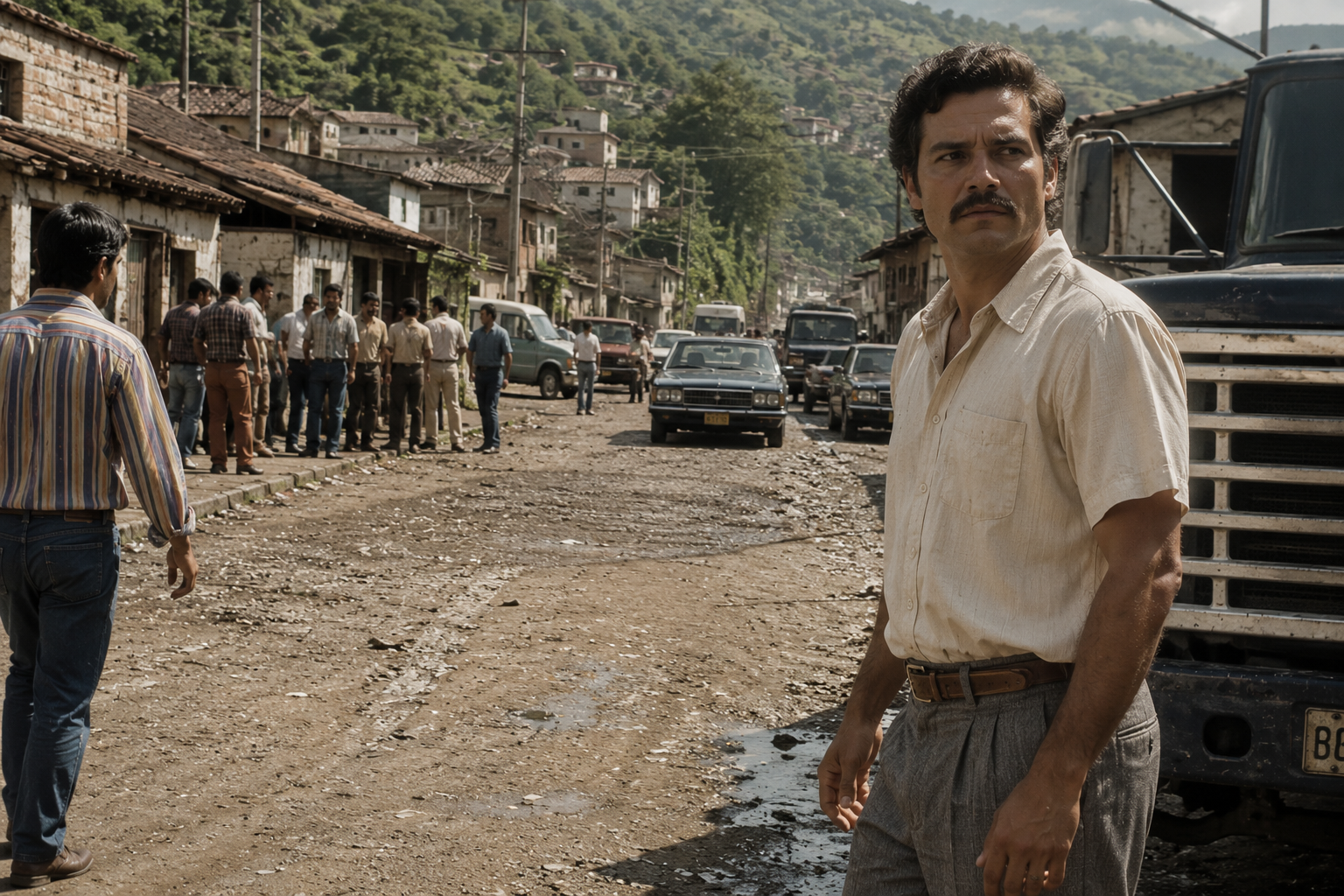
Narcos built its reputation on storytelling, but it earned its visual identity through a very specific combination of realism and tension. The series never tries to look pretty. It tries to look true. That commitment to authenticity is what gives the show its cinematic weight, and it is the first thing you need to understand before attempting to recreate its aesthetic through AI prompts.
The world of Narcos is shaped by heat, dust, humidity, noise, and political pressure. Every frame carries the feeling of a country caught between survival and collapse. The cinematography embraces this atmosphere instead of hiding it. You see sweat on skin, haze in the air, and sunlight that feels almost oppressive. This is not stylization for effect. It is a deliberate choice to reflect the reality of Colombia during the rise of the cartels.
The camera work reinforces this sense of immediacy. Narcos uses a hybrid grammar that mixes documentary techniques with controlled cinematic framing. Handheld shots create instability. Slow zooms build tension. Surveillance angles remind you that every character is being watched. This blend gives the series a unique rhythm that feels both grounded and dramatic.
Color is another defining element. The palette leans toward warm earth tones, faded greens, dusty yellows, and the washed out look of 1980s Latin America. Interiors often feel dim and heavy, with light filtering through shutters or dirty windows. Exteriors are bright and harsh, with sunlight that burns through the frame. This contrast between interior darkness and exterior intensity is one of the signatures of the show.
Texture is everywhere. Concrete walls, peeling paint, rusted metal, old cars, humid air, worn clothing. Nothing looks new. Nothing looks polished. The world feels lived in, stressed, and constantly on the edge of violence. This texture is essential when building prompts because it anchors the image in the Narcos universe.
The final layer is emotional tone. Narcos is built on tension. Every conversation feels like it could turn into a negotiation or a threat. Every environment carries a sense of danger. The cinematography reflects this through framing that isolates characters, compresses space, or places them against chaotic backgrounds. The visual language is always pushing the viewer toward unease.
By understanding these elements, you begin to see why Narcos looks the way it does. It is not just a crime series set in Colombia. It is a visual reconstruction of a historical moment defined by fear, ambition, and instability. When you start seeing how light, color, texture, and camera movement work together, the aesthetic of Narcos becomes unmistakable. It is not a style you imitate. It is a logic you apply.
Colombia as a Cinematic Character: Geography, Atmosphere, and Tension
Narcos treats Colombia as more than a backdrop. It treats the country as a living force that shapes every decision, every confrontation, and every frame. If you want to recreate the visual identity of the series through AI prompts, you need to understand how geography and atmosphere define the tone of the show. The environment is not passive. It is active, unpredictable, and constantly influencing the narrative.
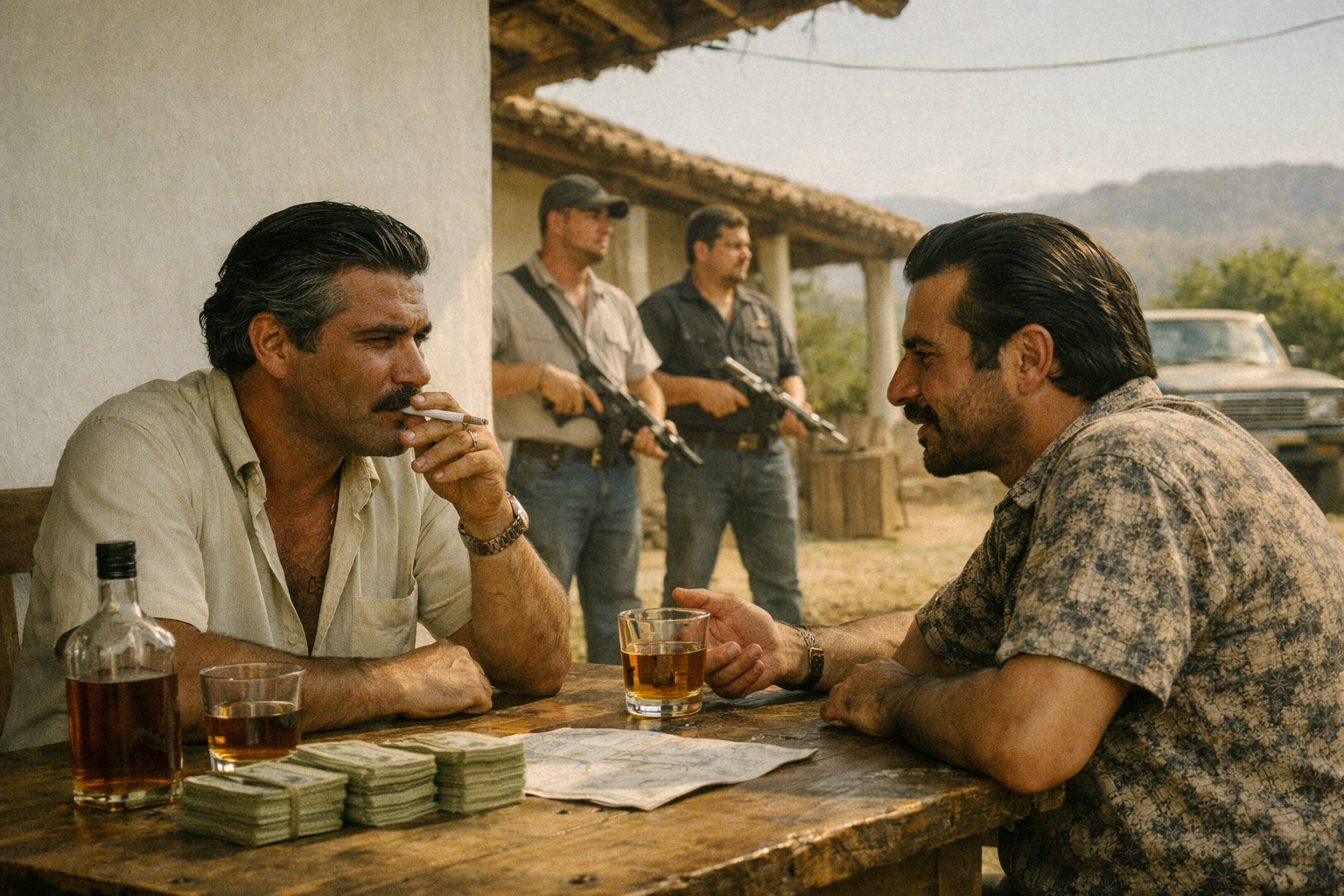
The first thing to understand is the diversity of Colombian landscapes. Narcos moves between Medellín, Bogotá, Cali, the jungle, rural villages, and border zones. Each location carries its own visual rhythm. Medellín is humid and dense, with hillsides packed with houses and narrow streets that trap heat and noise. Bogotá is colder and more urban, with a higher altitude that gives the light a different quality. The jungle is chaotic and overwhelming, filled with mist, insects, and vegetation that seems to swallow everything. These differences matter because they shape the mood of each scene.
Atmosphere is the second pillar. Narcos uses heat, humidity, dust, and haze to create a sense of constant pressure. The air feels heavy. The sunlight feels harsh. Interiors feel dim and suffocating. This environmental weight is part of the storytelling. It reflects the instability of the era and the tension that surrounds every character. When you build prompts, you need to think about how the air itself behaves. Is it humid. Is it dusty. Is it filled with smoke from burning fields or exhaust from old cars. These details anchor the image in the Narcos universe.
Urban environments add another layer. The series shows cities that feel alive but strained. Markets, bus stations, crowded streets, checkpoints, and police patrols create a sense of unpredictability. Buildings are worn. Paint is peeling. Cars are old. Power lines hang low. Nothing feels modern or polished. This visual language reinforces the idea that the country is under pressure from forces larger than any individual.
Rural and jungle environments tell a different story. They are places of secrecy, danger, and improvisation. Jungle labs feel temporary and fragile. Rural villages feel isolated and vulnerable. Dirt roads, wooden houses, and improvised structures create a sense of instability. These spaces are essential when building prompts that aim to capture the operational side of the cartel world.
The final element is tension. Colombia in Narcos is a place where danger is always present, even when nothing is happening. The cinematography uses geography to amplify this feeling. Long roads disappearing into the horizon. Helicopters circling above. Mountains that hide movement. Crowded streets where anyone could be watching. The environment becomes a silent participant in the story.
When you understand Colombia as a cinematic character, you begin to see why Narcos looks the way it does. The geography shapes the atmosphere. The atmosphere shapes the tension. And the tension shapes the visual identity of the series. This chapter gives you the foundation you need to build prompts that feel grounded in the world the show created.
Color Language: Warm Earth Tones, Faded Greens, and the Look of 1980s Latin America
Narcos builds its visual identity on a color palette that feels sun bleached, weathered, and shaped by the political and social climate of the era. The palette is not decorative. It is narrative. Every tone reflects the heat, the tension, and the instability of Colombia during the rise of the cartels. If you want your prompts to feel authentic, you need to understand how the series uses color to anchor its world.
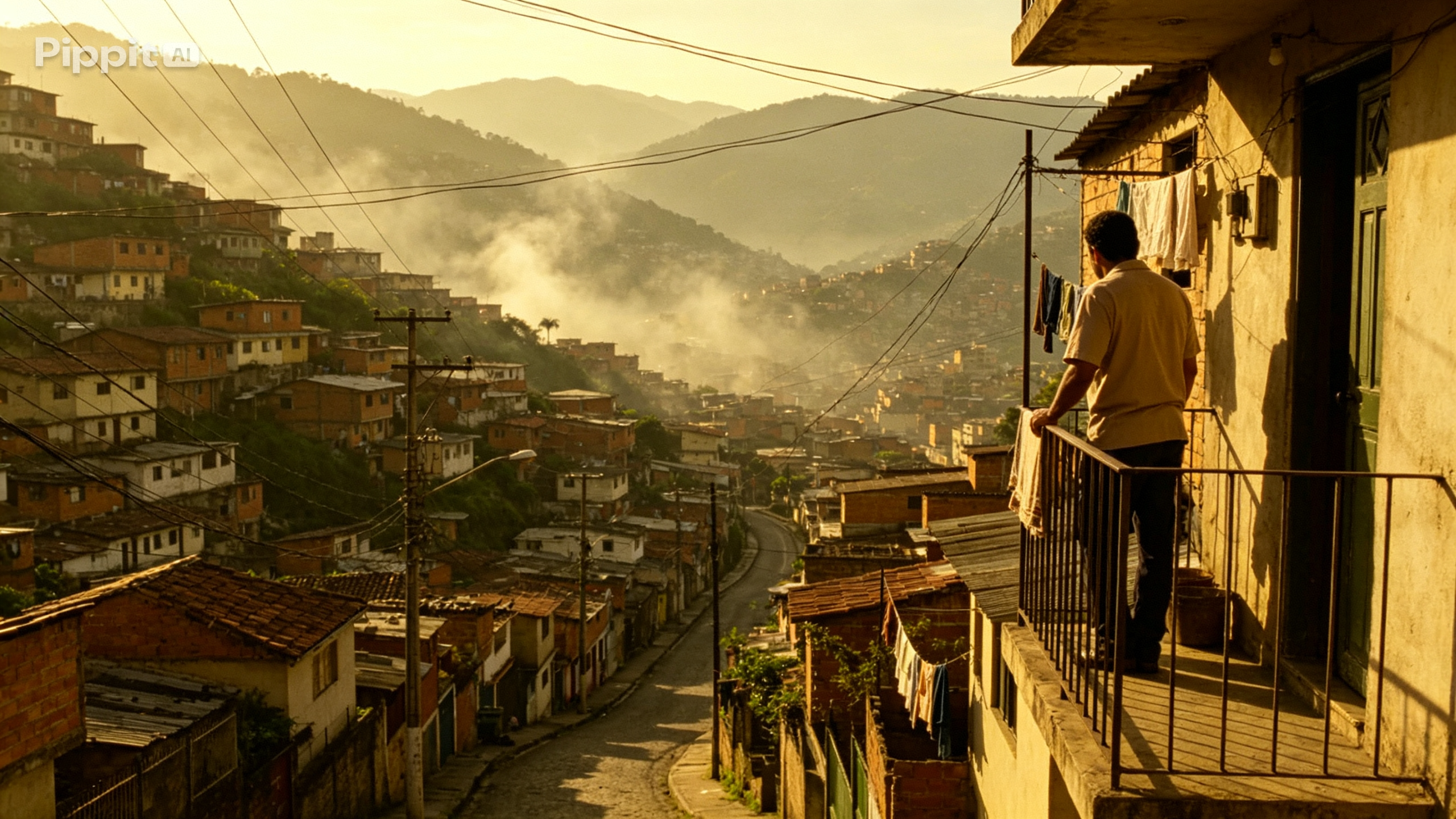
The foundation of the palette is warmth. Earth tones dominate the frame. Dusty yellows, ochre walls, sun burned browns, and faded oranges appear in streets, interiors, clothing, and landscapes. These colors reflect the climate and the architecture of the time. They also reinforce the sense of a country under pressure, where nothing feels polished or modern. Warm tones are not used to create comfort. They are used to create weight.
Faded greens are another signature. They appear in uniforms, vegetation, old cars, and the humid landscapes that surround the cities. These greens are never vibrant. They are washed out by sun, rain, and time. This desaturation gives the world a sense of realism and prevents the palette from drifting into stylization. When you use green in prompts, it should feel tired rather than fresh.
The series also relies on controlled contrast. Interiors often lean toward darker, muted tones. Wood, concrete, and aged paint create a heavy atmosphere. Light enters through windows in narrow beams, creating pockets of brightness inside rooms that otherwise feel dim. This contrast between exterior heat and interior shadow is one of the most recognizable traits of the Narcos aesthetic.
Color also reflects class and power. Cartel mansions use richer tones. Deep reds, polished wood, and gold accents appear in spaces meant to signal wealth. These colors are still controlled, never glossy, but they stand out against the dusty palette of the streets. Government buildings and DEA offices lean toward colder tones. Pale blues, grey walls, and fluorescent lighting create a bureaucratic atmosphere that contrasts with the warmth of the Colombian environment.
Clothing follows the same logic. Workers and civilians wear earth tones and faded fabrics. Agents wear muted blues and greys. Cartel figures wear slightly richer colors, but still within the palette of the era. Nothing is bright. Nothing is saturated. The world feels cohesive because every color respects the historical and environmental context.
The final layer is decay. Colors in Narcos often look worn, sun damaged, or aged by humidity. This is essential when building prompts. A wall is not just yellow. It is peeling. A car is not just green. It is faded. A shirt is not just brown. It is stained by heat and dust. These details give the palette its authenticity.
Understanding this color language allows you to recreate the Narcos aesthetic with precision. Warm earth tones, faded greens, controlled contrast, and aged textures form the backbone of the series. Once you internalize this palette, your prompts will immediately feel closer to the world the show built. Recognizing the palette of Narcos means recognizing the emotional temperature of the world. These colors are not decoration. They are context. And context is what gives your prompts credibility.
Lighting the Narcos World: Natural Light, Harsh Sun, and Shadowed Interiors
Narcos builds its tension through light. The series does not rely on stylized lighting or dramatic color effects. It relies on the reality of Colombia. Harsh sunlight, dim interiors, dusty air, and narrow beams of light define the visual rhythm of the show. If you want your prompts to feel authentic, you need to understand how the series uses light to shape mood, geography, and narrative weight.
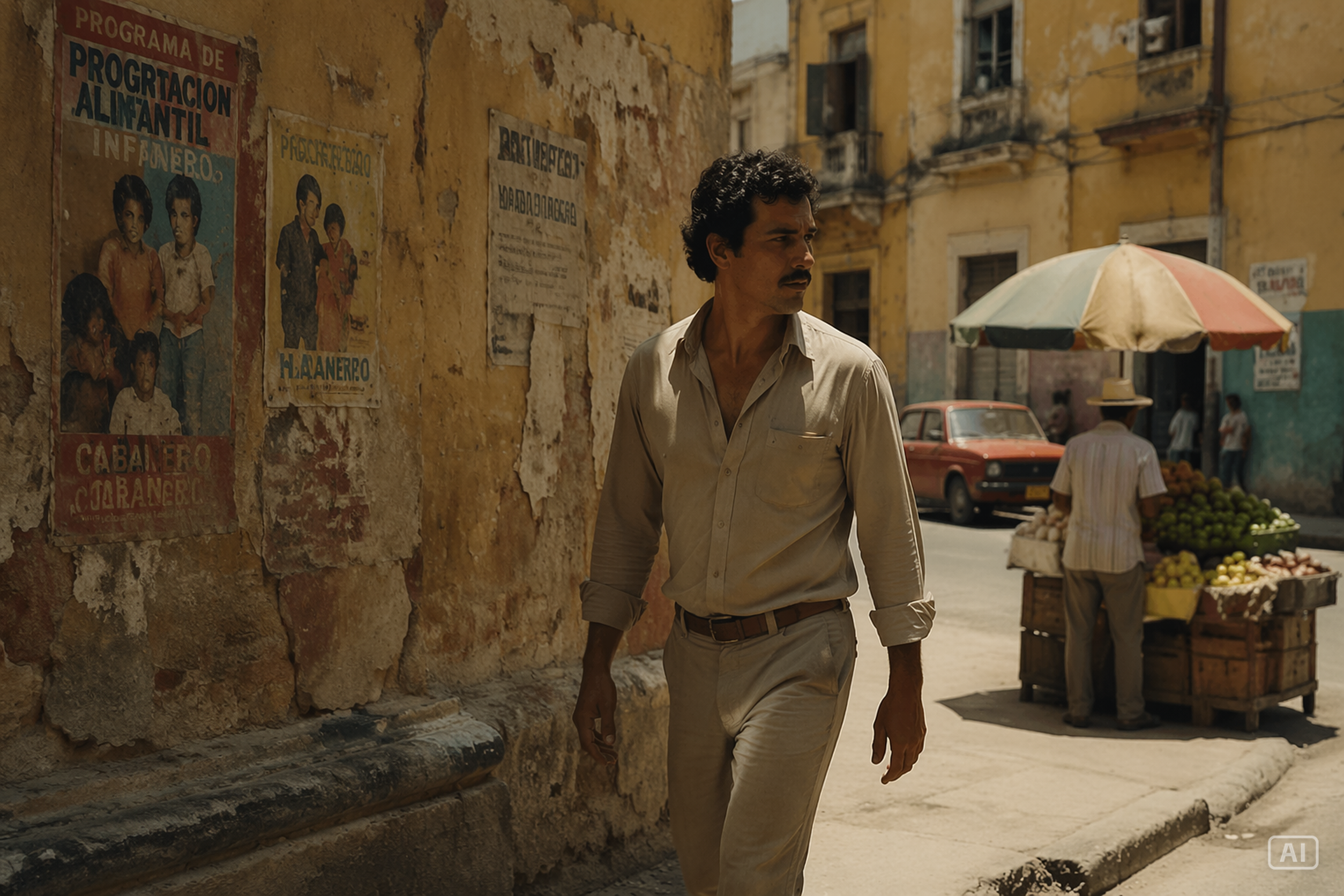
The first pillar is natural light. Narcos embraces the sun rather than hiding it. Exterior scenes often feel overexposed, with bright highlights and washed out skies. This is intentional. The harsh sun reflects the climate of Medellín and the rural regions where much of the story unfolds. It also creates a sense of discomfort. Characters are constantly exposed, constantly watched, and the lighting reinforces that vulnerability. When you build prompts, think of sunlight that feels heavy rather than soft.
Interiors move in the opposite direction. Rooms are dim, shadowed, and shaped by narrow windows or small lamps. Light enters in thin beams that cut through dust or cigarette smoke. This creates a sense of secrecy and tension. Conversations feel private but dangerous. Offices, safehouses, and backrooms all share this visual language. The contrast between bright exteriors and dark interiors is one of the strongest signatures of the Narcos aesthetic.
The series also uses motivated light. Every source feels like it belongs in the scene. Lamps, windows, headlights, candles, and fluorescent tubes shape the direction and intensity of the light. Nothing looks artificial or theatrical. This grounded approach keeps the world believable and prevents the lighting from drifting into stylization. When you describe lighting in prompts, anchor it to a source that makes sense for the environment.
Atmosphere plays a major role. Dust, humidity, smoke, and haze soften the edges of the frame. These elements catch the light and create a glow that feels organic. A DEA office filled with cigarette smoke. A jungle lab with steam rising from makeshift equipment. A street with dust kicked up by old cars. These atmospheric layers give depth to the image and reinforce the sense of a world under pressure.
Shadow is the final tool. Narcos uses shadow to hide intentions, isolate characters, and build tension. A figure standing half in light and half in darkness. A corridor where only the outline of a silhouette is visible. A safehouse where the corners of the room disappear into shadow. These choices are not decorative. They reflect the moral ambiguity of the world. Light reveals. Shadow conceals. The series constantly plays with this balance.
When you combine harsh sunlight, dim interiors, motivated sources, atmospheric haze, and controlled shadow, you get the lighting language that defines Narcos. It is a world shaped by heat, secrecy, and constant surveillance. Understanding this language allows you to build prompts that feel true to the series and grounded in the reality it portrays.
Costume and Texture: Cartel Power, DEA Pragmatism, and Civilian Reality
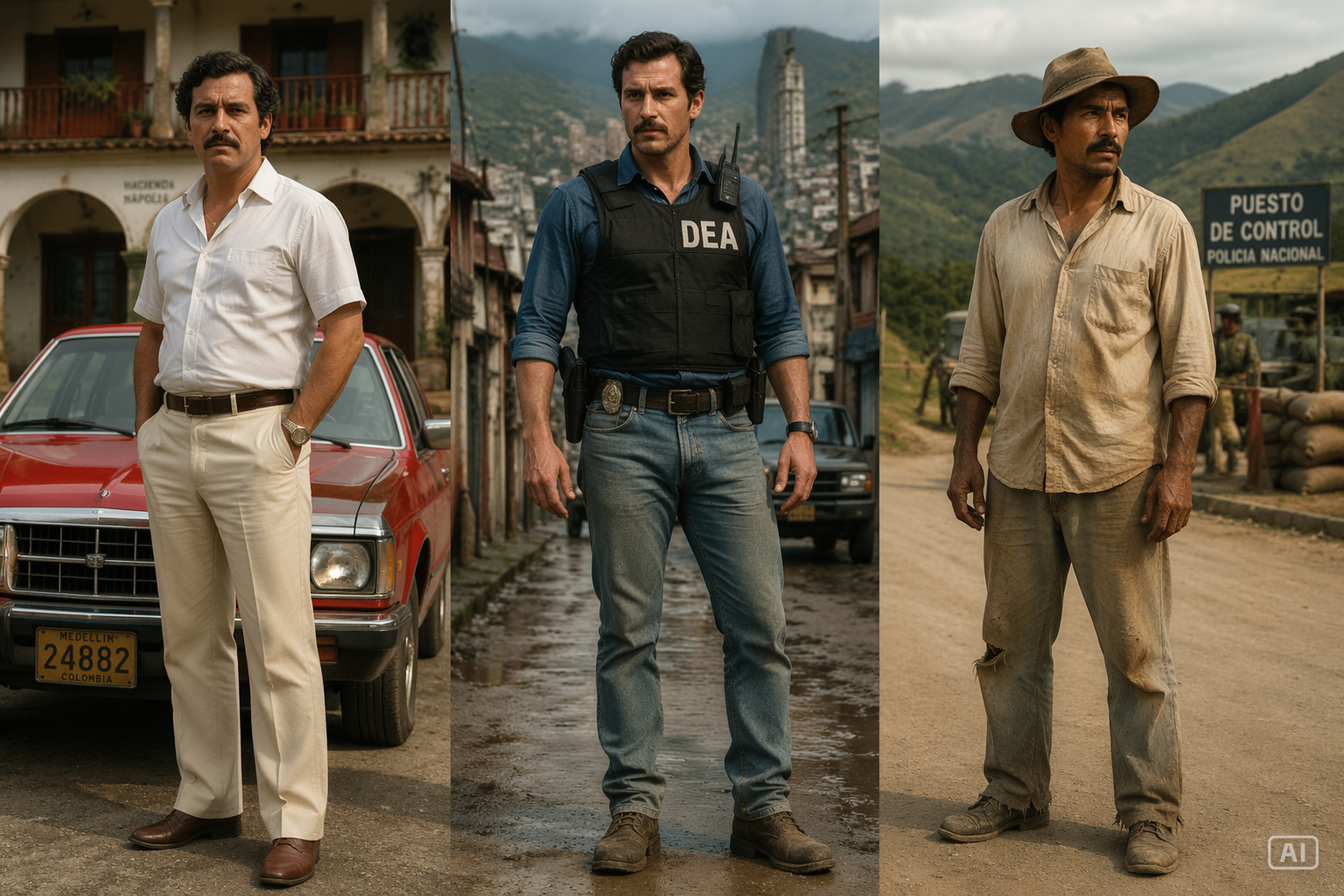
Narcos builds character identity through clothing long before anyone speaks. The wardrobe is not decorative. It is narrative. Every fabric, every crease, every accessory tells you who holds power, who is hiding, who is desperate, and who is pretending to be something they are not. If you want your prompts to feel authentic, you need to understand how the series uses costume and texture to define its world.
The first layer is cartel power. Cartel figures dress with intention. Their clothing is clean, structured, and slightly richer than the world around them. You see tailored shirts, polished leather shoes, gold watches, and fabrics that stand out against the dusty palette of the streets. These choices are not about glamour. They are about control. A cartel leader wearing a crisp shirt in a humid environment signals discipline and authority. When you build prompts, think of clothing that looks expensive but still grounded in the 1980s Latin American context.
DEA agents sit on the opposite end of the spectrum. Their wardrobe is functional, worn, and shaped by fieldwork. Muted blues, faded jeans, tactical vests, and sweat stained shirts define their look. Nothing is polished. Nothing is pristine. Their clothing reflects long hours, surveillance work, and constant movement. This contrast between cartel refinement and DEA pragmatism is one of the visual anchors of the series.
Civilians add another layer. Workers, vendors, drivers, and families wear earth tones and fabrics that show age. Shirts are faded by sun. Pants are worn at the knees. Shoes are dusty. These textures reinforce the socioeconomic divide that runs through the show. Civilian clothing blends into the environment, while cartel clothing stands out. This contrast is essential when building prompts that aim to capture the social tension of the era.
Texture is the backbone of the wardrobe. Narcos avoids anything that looks new. Fabrics are heavy, sun damaged, or softened by humidity. Leather looks worn. Cotton looks creased. Denim looks faded. Even wealthier characters show texture in their clothing because the environment itself shapes how materials age. When you describe clothing in prompts, think of weight, wear, and climate.
Accessories complete the identity. Gold chains, aviator sunglasses, analog watches, leather holsters, radios, notebooks, and old cameras all appear throughout the series. These objects help define roles without naming characters. A man with a gold watch and polished shoes is not the same as a man with a radio and a sweat stained shirt. Accessories are visual shortcuts that help the viewer understand hierarchy and intention.
Vehicles also contribute to the wardrobe of the world. Old sedans, dusty trucks, motorcycles, and government jeeps appear constantly. They are not props. They are part of the texture of the era. When you build prompts, including vehicles can help anchor the scene in the Narcos universe.
The final element is authenticity. Narcos never uses clothing that feels modern or stylized. Everything belongs to the period. Everything belongs to the climate. Everything belongs to the socioeconomic reality of the characters. This commitment to authenticity is what makes the wardrobe so effective.
Understanding costume and texture allows you to recreate the Narcos aesthetic with precision. Clothing is not just clothing. It is identity, power, class, and tension woven into fabric. Once you internalize this logic, your prompts will immediately feel closer to the world the series built.
Camera Grammar: Documentary Framing, Surveillance Angles, and Tension Shots
Narcos builds its visual tension through the way it frames scenes. The camera is not a passive observer. It behaves like a witness, a spy, or a journalist depending on the moment. This shifting perspective is one of the strongest elements of the show's identity, and it is essential if you want your prompts to feel true to the series. Understanding the camera grammar of Narcos means understanding how the show creates pressure without relying on spectacle.
The first pillar is documentary framing. Narcos often uses handheld shots that feel unstable, imperfect, and reactive. The camera moves as if it is trying to keep up with the action rather than controlling it. This creates a sense of immediacy and unpredictability. Scenes feel alive because the camera behaves like a person inside the environment. When you build prompts, think of compositions that feel observational rather than staged.
Surveillance angles add another layer. The series frequently uses long lenses, elevated positions, and distant framing to create the feeling that someone is being watched. This is not just a stylistic choice. It reflects the political and criminal landscape of the era. DEA agents monitor cartel movements. Cartels monitor the police. Everyone monitors everyone. These angles create paranoia and tension, and they are essential when recreating the Narcos aesthetic.
Slow zooms are another signature. Narcos uses them to build pressure inside conversations or to reveal details in a scene. A slow zoom toward a character’s face can turn a neutral moment into a threat. A slow zoom toward a distant figure can signal danger. This technique gives the show a rhythm that feels deliberate and controlled. When describing camera movement in prompts, think of zooms that tighten the emotional space.
The series also uses long takes. These shots allow tension to build naturally. Instead of cutting rapidly, the camera lingers. You feel the weight of silence. You feel the discomfort of a negotiation. You feel the danger of a street corner where something might happen. Long takes create a sense of realism because they mimic the way real moments unfold. This is a powerful tool when shaping prompts that aim to capture narrative tension.
Composition is equally important. Narcos often places characters off center, framed by doorways, windows, or architectural lines. This creates a sense of imbalance and vulnerability. The world feels larger than the characters, and the environment feels hostile. Crowded frames with background movement add to the chaos of urban life. Empty frames with distant figures add to the isolation of rural or jungle settings. Composition is never neutral. It always serves the emotional tone of the scene.
The final element is proximity. Narcos alternates between tight close ups and wide environmental shots. Close ups reveal fear, sweat, and hesitation. Wide shots reveal geography, danger, and scale. This contrast keeps the viewer aware of both the personal stakes and the broader conflict. When building prompts, think of how distance shapes emotion.
Understanding the camera grammar of Narcos allows you to recreate its tension with precision. The show's visual identity is built on observation, surveillance, instability, and control. The camera in Narcos behaves like a witness. When you adopt that perspective in your prompts, the images stop looking staged and start feeling lived in.
Narcos Environments: Safehouses, Jungle Labs, Mansions, Streets, and Checkpoints
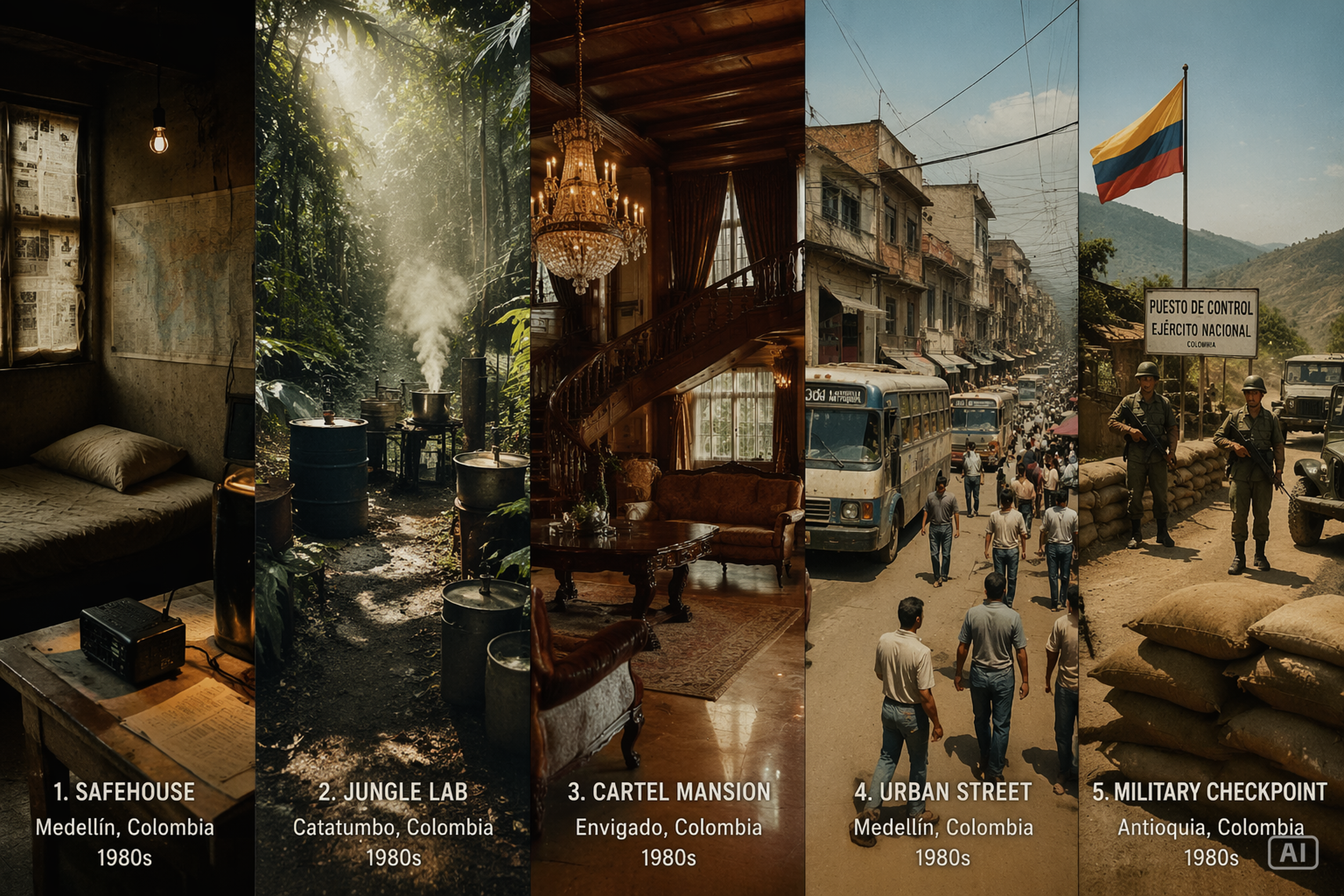
Narcos builds its world through environments that feel unstable, improvised, and shaped by the political and criminal pressure of the era. The series never treats locations as decoration. Every space carries narrative weight. A safehouse signals paranoia. A jungle lab signals urgency. A cartel mansion signals excess. A street corner signals danger. If you want your prompts to feel authentic, you need to understand how each environment functions inside the visual identity of the show.
Safehouses are the first layer. These spaces are cramped, dim, and temporary. Mattresses on the floor, radios on tables, maps pinned to walls, and windows covered with sheets or newspapers. Light enters in narrow beams. Corners disappear into shadow. Everything feels improvised. These environments reflect the instability of the era and the constant need for secrecy. When you build prompts, think of rooms that look occupied but never lived in.
Jungle labs introduce a different kind of tension. These spaces are humid, chaotic, and built from whatever materials are available. Wooden tables, plastic barrels, makeshift stoves, and improvised ventilation systems define the look. Steam rises from equipment. Sunlight filters through leaves. The air feels thick. These labs are not polished. They are fragile and temporary, and that fragility is part of the visual identity. Prompts should reflect the sense of danger and improvisation that defines these environments.
Cartel mansions stand in sharp contrast. These spaces are larger, cleaner, and more structured. Polished wood, marble floors, heavy curtains, and ornate furniture appear throughout the series. The lighting is warmer. The atmosphere is quieter. These environments signal power and control. They also highlight the divide between wealth and the instability outside. When describing these spaces in prompts, think of luxury that feels slightly outdated and shaped by the 1980s Latin American aesthetic.
Urban streets are another essential component. Narcos shows cities that feel alive but strained. Crowded markets, old buses, street vendors, police patrols, and constant movement create a sense of unpredictability. Buildings are worn. Cars are old. Power lines hang low. Dust rises from the pavement. These environments reflect the social and economic pressure of the era. Prompts should capture this density and the feeling that anything can happen at any moment.
Checkpoints and border zones add a layer of tension. These spaces are defined by military presence, improvised barricades, sandbags, old jeeps, and soldiers with faded uniforms. The lighting is harsh. The atmosphere is dry. These environments communicate control, fear, and instability. They are essential when building prompts that aim to capture the political side of the Narcos universe.
Rural villages complete the picture. Dirt roads, wooden houses, livestock, and open fields create a sense of isolation. These environments feel vulnerable. They are places where danger arrives without warning. The lighting is softer. The atmosphere is quieter. Prompts should reflect the contrast between the calm of rural life and the threat that hangs over it.
Understanding these environments allows you to recreate the Narcos aesthetic with precision. Each space carries its own emotional temperature. Safehouses feel paranoid. Jungle labs feel unstable. Mansions feel powerful. Streets feel chaotic. Checkpoints feel tense. Villages feel exposed. Each environment in Narcos carries its own tension. When you treat locations as narrative forces rather than backgrounds, your prompts gain the same sense of pressure that defines the series.
Character Archetypes
Narcos is built on personalities that feel larger than life, but the series never depends on specific individuals to communicate its themes. It relies on archetypes. These archetypes carry the emotional weight of the story and define the visual identity of the world. When you recreate the Narcos aesthetic through AI prompts, working with archetypes instead of real people gives you freedom, accuracy, and authenticity. It also keeps your images grounded in the tone of the series without drifting into imitation.
The first archetype is the cartel leader. This figure embodies control, ambition, and quiet menace. His presence is defined by stillness rather than movement. His clothing is clean and structured. His environment is orderly. He stands out against the chaos around him. When you build prompts, think of a man who looks powerful without needing to show aggression. Authority comes from posture, not expression.
The second archetype is the sicario. This character represents loyalty, violence, and survival. His clothing is practical. His posture is tense. His environment is unstable. You often see him in alleys, safehouses, or crowded streets. He blends into the world rather than standing apart from it. Prompts should reflect a figure who is always alert, always watching, and always ready to move.
The DEA agent adds another layer. This archetype is defined by exhaustion, determination, and a sense of duty that feels heavier with every episode. His clothing is worn. His equipment is functional. His environment is filled with paperwork, radios, and surveillance tools. He is constantly navigating a world that resists him. Prompts should capture the tension between his mission and the reality he faces.
The corrupt politician is a quieter but equally important presence. This archetype represents power hidden behind civility. His clothing is clean but understated. His office is dim, filled with documents and shadows. His posture is controlled. He speaks softly but carries influence. When you build prompts, think of a figure who looks respectable at first glance but unsettling when you look closer.
The informant is defined by fear. This character lives between worlds and trusts no one. His clothing is modest. His posture is closed. His environment is isolated. You often see him in alleys, backrooms, or rural paths. Prompts should reflect vulnerability and the constant threat that surrounds him.
The journalist adds a different kind of tension. This archetype represents curiosity, courage, and the risk of exposing the truth. Her clothing is practical. Her environment is filled with notebooks, cameras, and crowded streets. She moves through the world with purpose but carries the weight of danger. Prompts should capture the balance between determination and vulnerability.
The final archetype is the civilian. This figure represents the human cost of the era. Workers, families, vendors, and drivers appear throughout the series. Their clothing is worn. Their environments are crowded or fragile. They are not part of the conflict, but they are shaped by it. Including civilians in prompts adds realism and emotional depth.
Working with archetypes allows you to recreate the Narcos aesthetic without relying on real people. Each archetype carries its own visual language, emotional tone, and narrative function. Working with archetypes gives you freedom to recreate the world without imitation. These roles carry the emotional architecture of Narcos, and once you understand them, the universe becomes easier to rebuild.
Final Prompt Blueprints for Narcos Cinematics
This is the point where everything you learned in the previous chapters becomes practical. A good Narcos style prompt is not a list of adjectives. It is a structure. It is a system that respects era, geography, light, color, texture, camera logic, and emotional tension. When these elements work together, the image feels grounded. When one of them is missing, the illusion collapses.
The blueprints below are built to give you that structure. They are not templates to copy mechanically. They are frameworks you can adapt depending on the scene, the character archetype, or the environment you want to recreate. Each blueprint follows the internal logic of the series and avoids anything that would break the aesthetic.
1. Street Scene
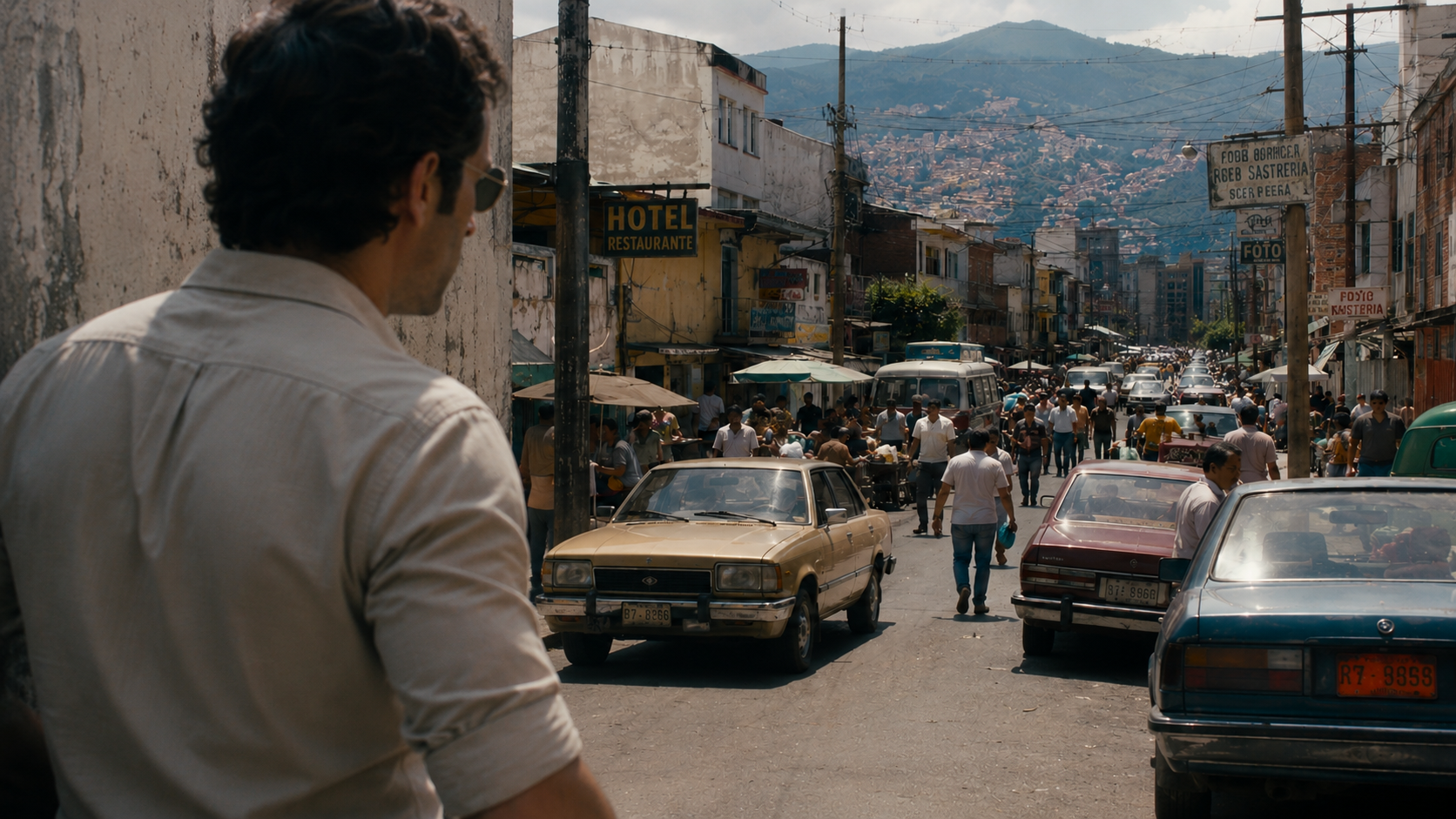
1984, Medellín, Colombia. A city under cartel pressure and constant surveillance. A crowded street under harsh midday sun, humid air, old sedans, street vendors, peeling paint, tangled power lines. A DEA agent observing from a distance with worn clothing and tense posture. Documentary handheld framing. Warm earth tones, faded greens, dusty yellows. Dust and exhaust hanging in the air.
2. Safehouse
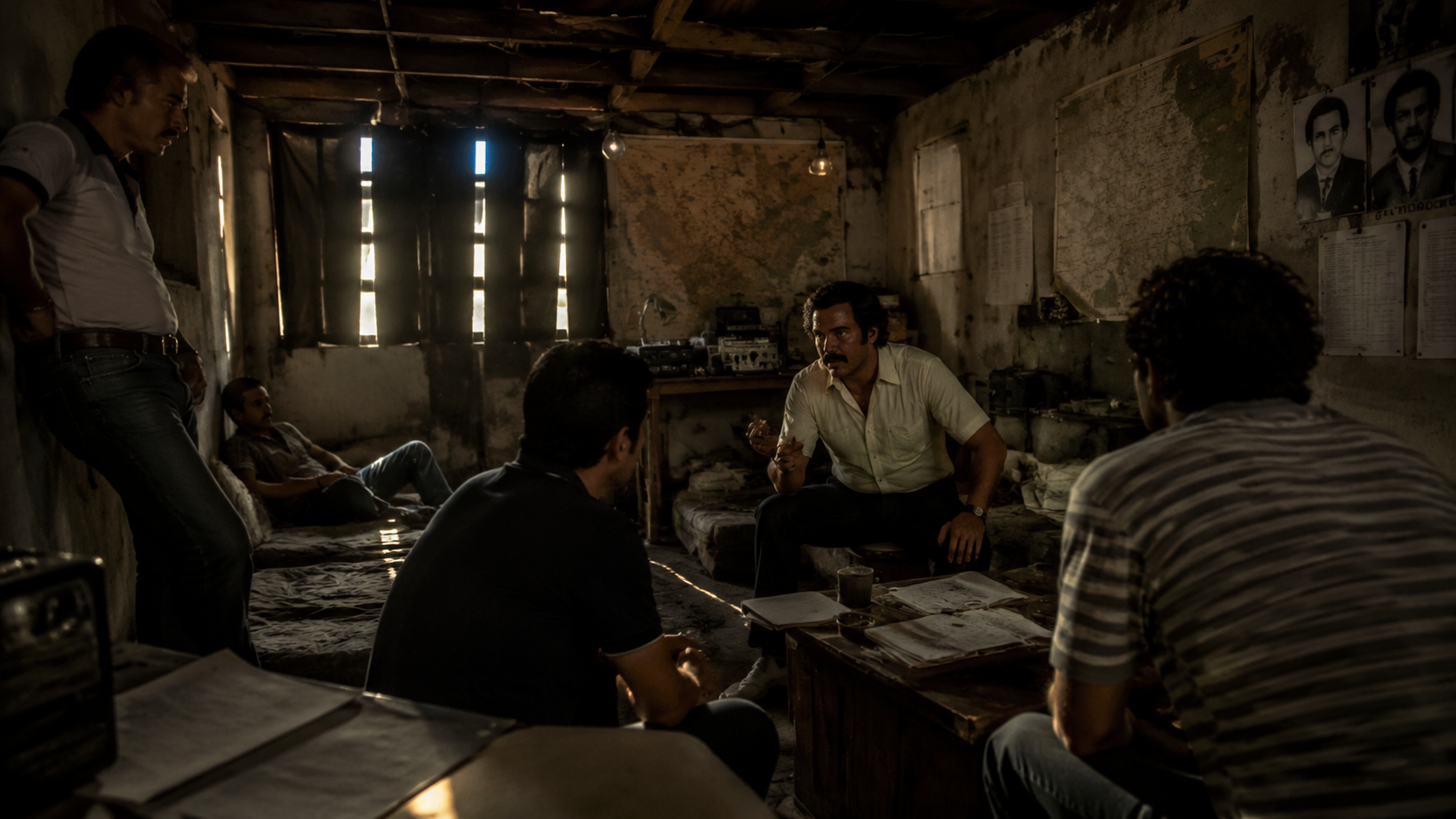
1986, Medellín outskirts, during an active manhunt. A dim improvised safehouse with narrow beams of light through covered windows. Mattresses on the floor, analog radios, maps pinned to walls, scattered documents. A cartel figure speaking quietly with controlled posture. Heavy shadows in corners. Muted warm tones. Humidity stained surfaces and worn textures everywhere.
3. Jungle Lab
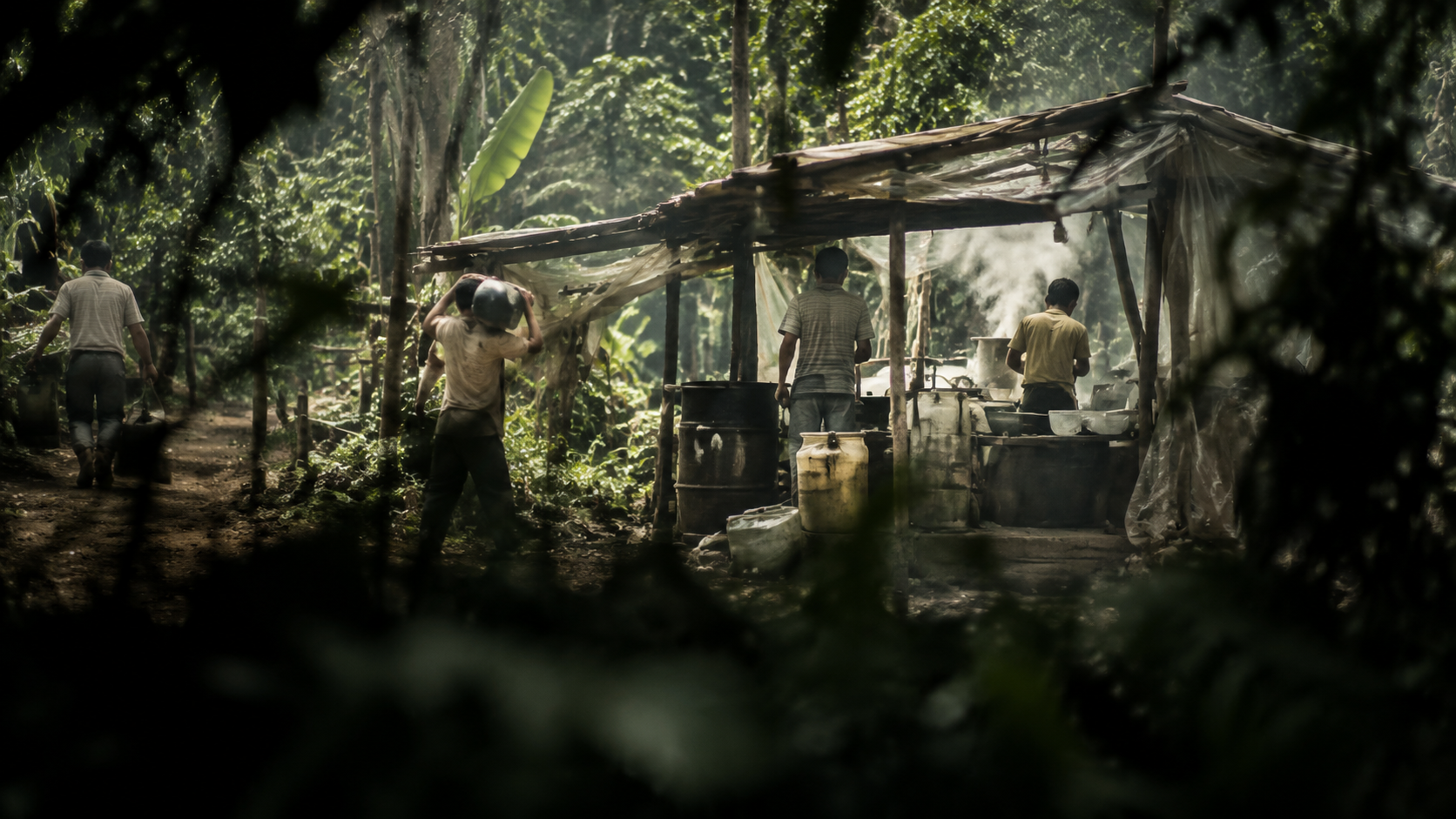
1983, rural Antioquia jungle, during early cartel expansion. A makeshift laboratory built from wood and plastic sheets. Steam rising from improvised equipment. Sunlight filtering through dense vegetation. Workers in sun faded clothing moving with urgency. Humid air catching the light. Faded greens and earthy browns. Long lens framing through foliage to create a surveillance mood.
4. Cartel Mansion
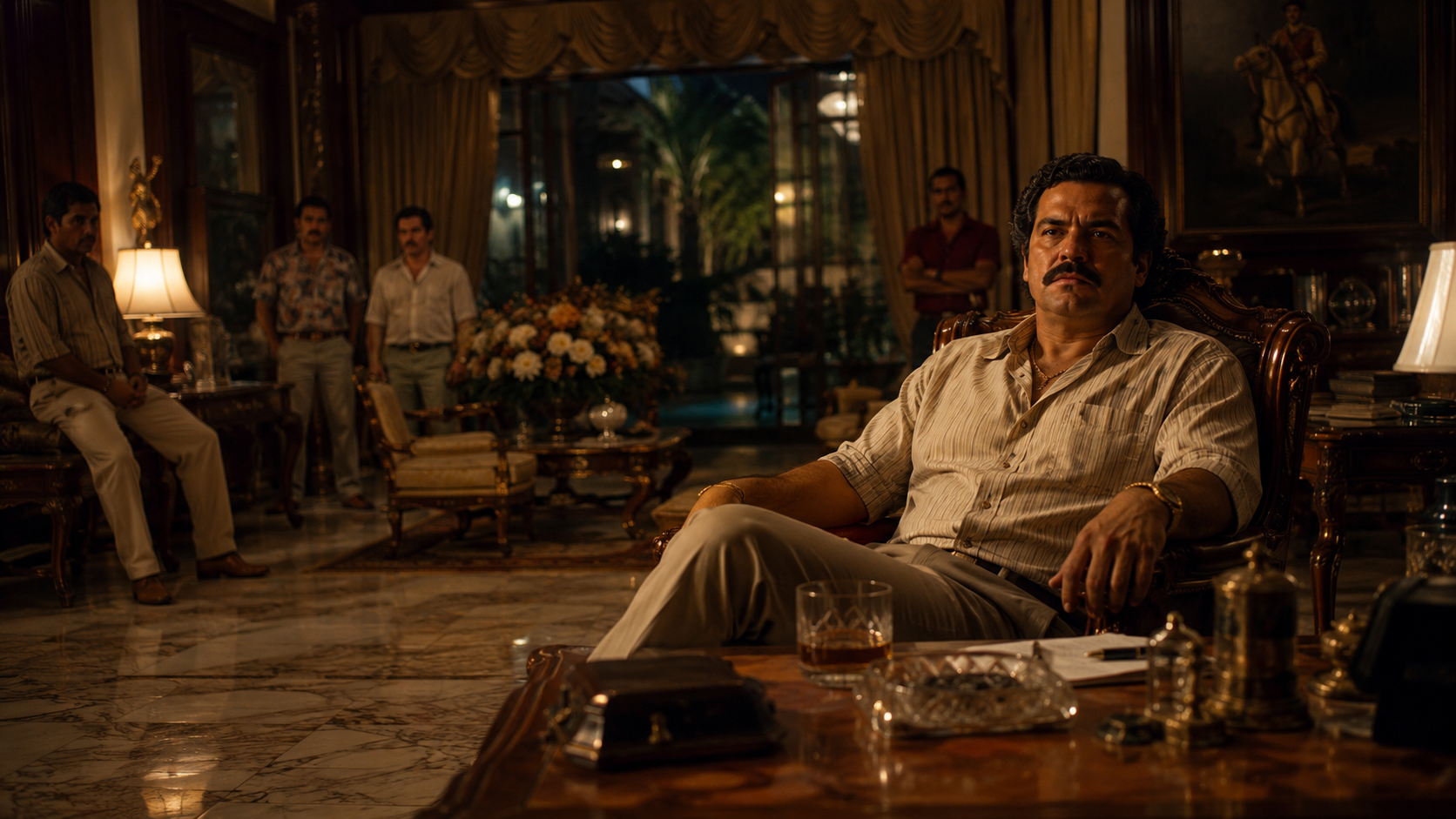
1989, Cali, during cartel peak influence. A large mansion with polished wood, marble floors, heavy curtains. Warm interior lighting with pockets of shadow. A powerful figure seated calmly, wearing structured clothing and subtle gold accessories. Quiet atmosphere with underlying tension. Rich but slightly aged colors. Composition wide enough to show wealth but close enough to reveal pressure.
5. Checkpoint
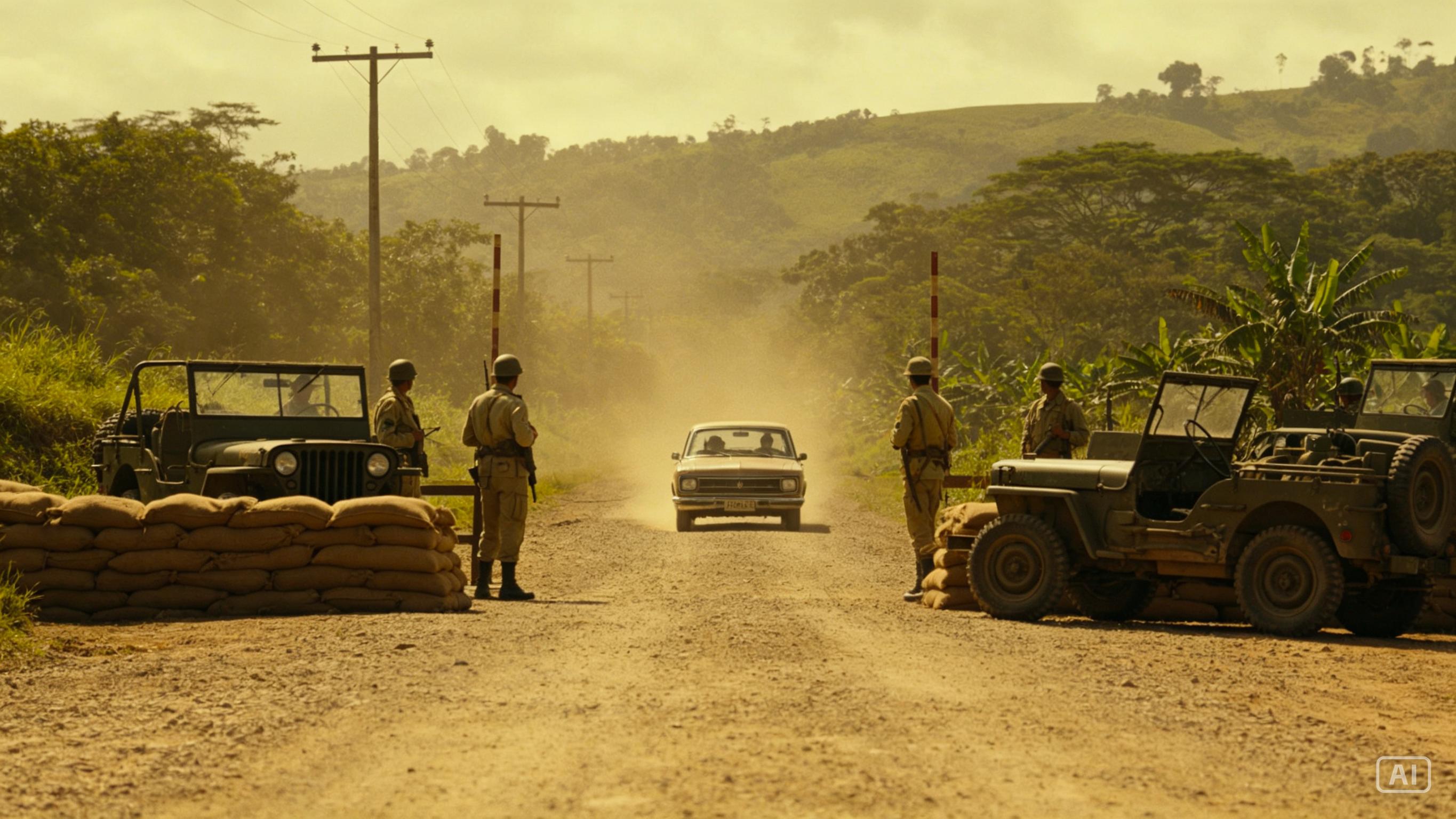
1987, rural road between Medellín and Santa Fe de Antioquia, during military escalation. A dusty checkpoint with sandbags, old jeeps, soldiers in faded uniforms. Harsh sunlight creating strong contrast. A civilian vehicle approaching slowly. Long lens framing to heighten tension. Muted greens, dusty browns, washed out skies. The environment feels exposed and unpredictable.
6. Informant Meeting
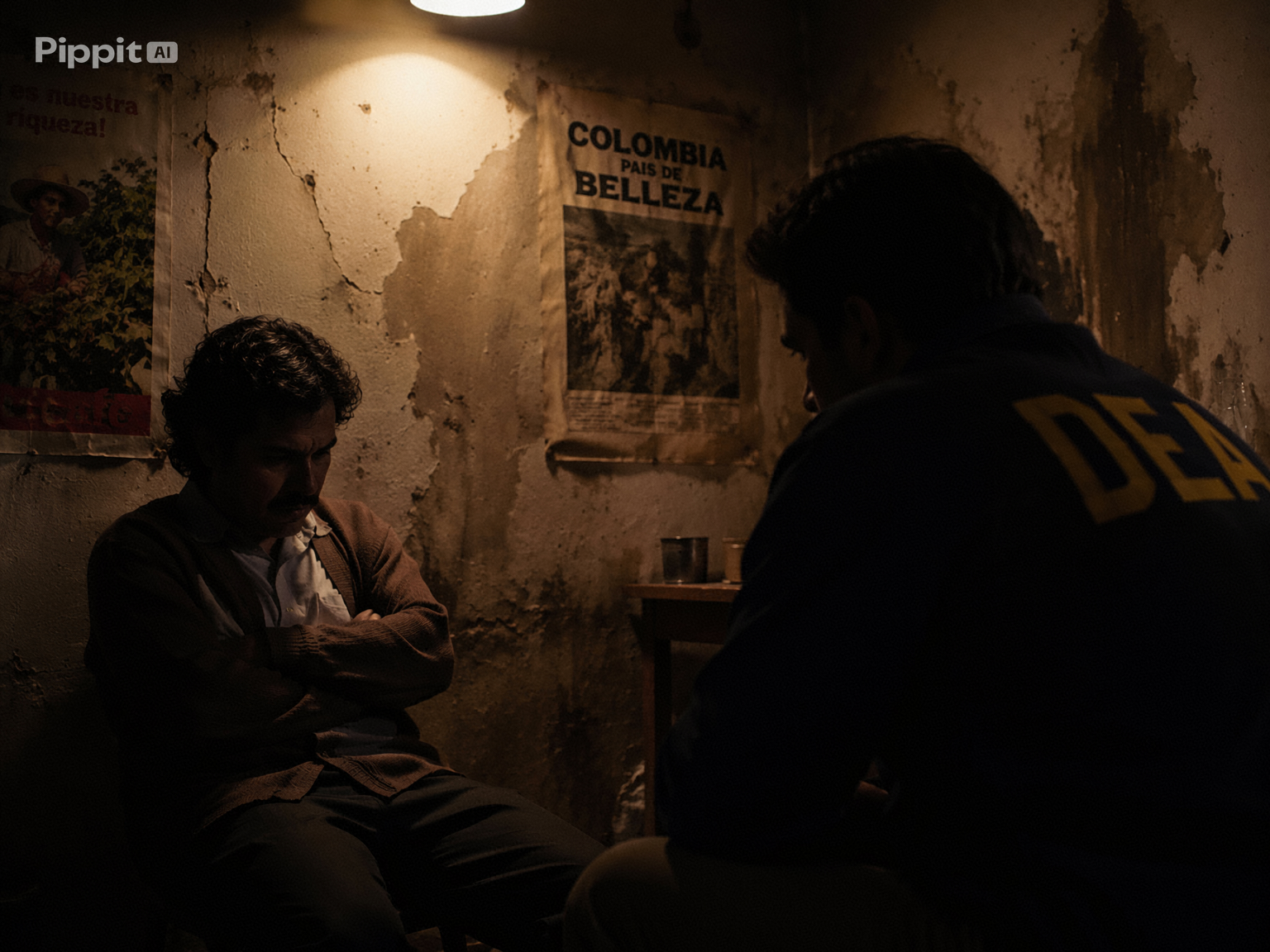
1985, Bogotá back alley, during a corruption investigation. A quiet alley or dim backroom with a single light source. An informant with closed posture and modest clothing. A DEA agent listening carefully, partially in shadow. Cracked walls, old posters, humidity stains. Camera close and slightly off center to create unease. Warm but subdued tones.
7. Urban Surveillance
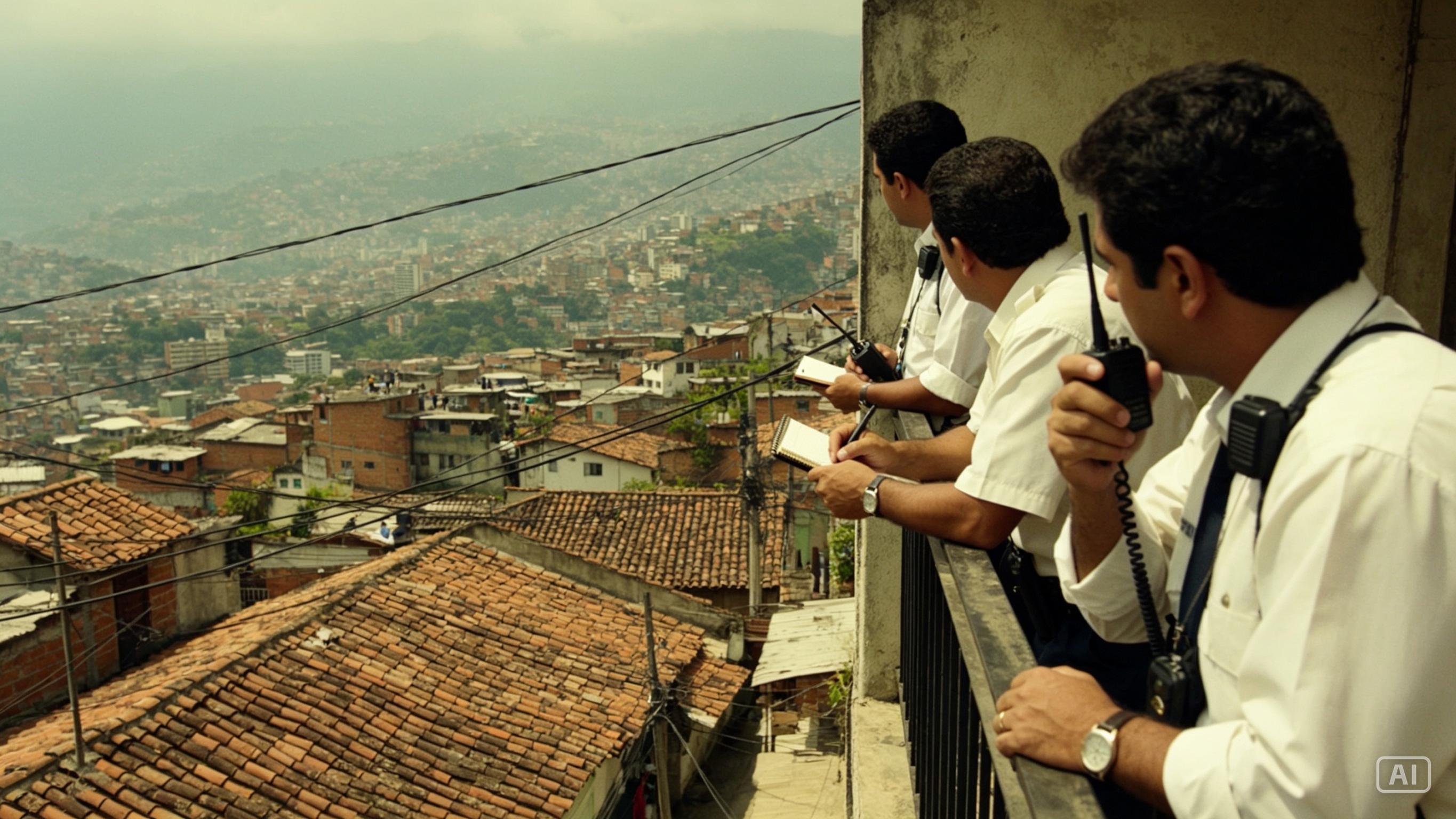
1988, Medellín hillside, during an ongoing intelligence operation. A high vantage point overlooking a dense neighborhood. Long lens framing distant movement. Old rooftops, tangled power lines, humid haze over the city. A surveillance team with talkies and notebooks. Colors washed by heat. Composition tight and observational.
8. Rural Village
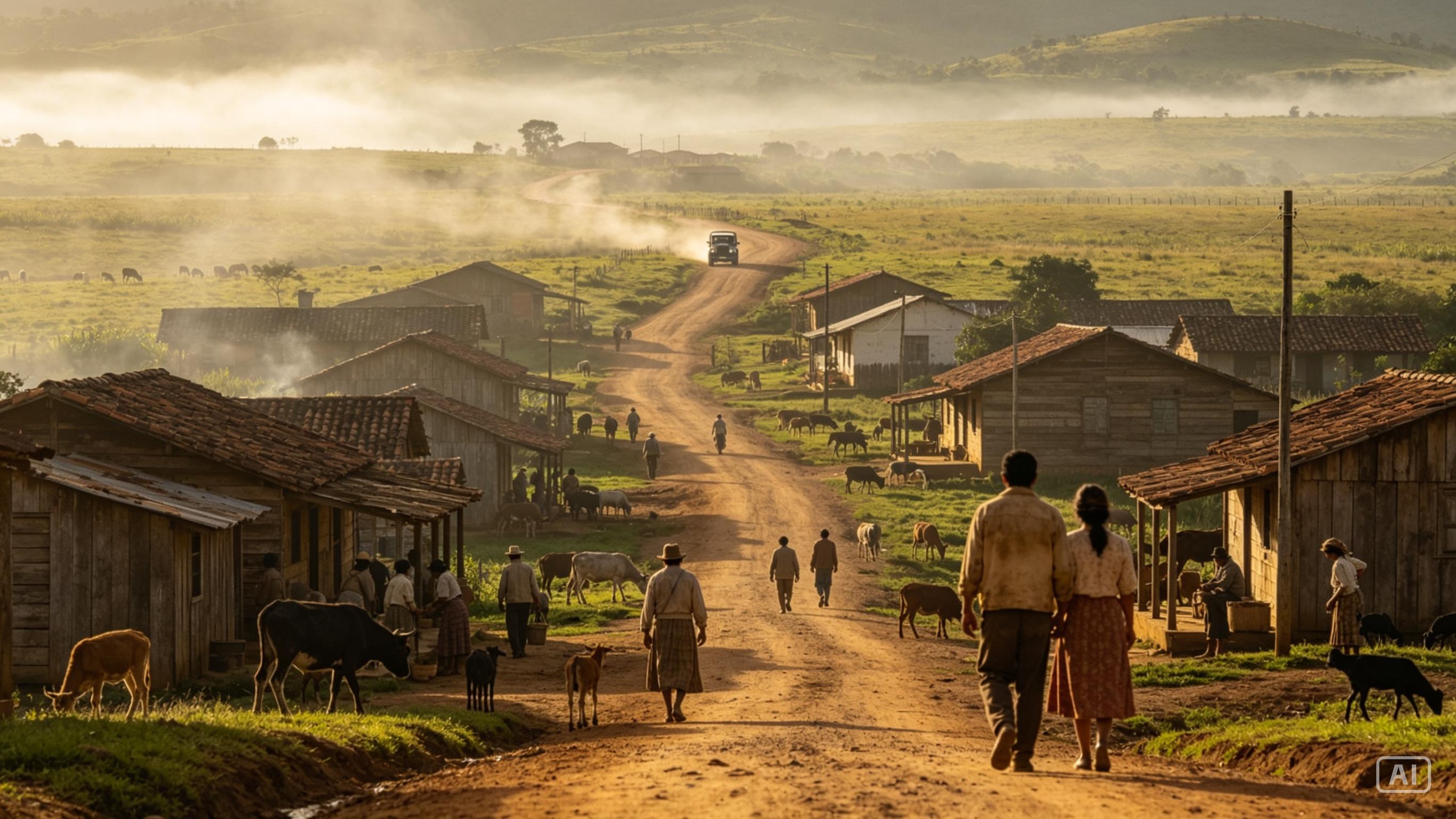
1982, small village in the Magdalena region, before cartel influence reaches the area. Dirt roads, wooden houses, livestock, open fields. Soft morning light with mist lifting slowly. Civilians in sun faded clothing. A distant vehicle approaching, creating subtle tension. Warm earth tones and desaturated greens. Wide framing to show vulnerability and isolation.
9. Interrogation Room
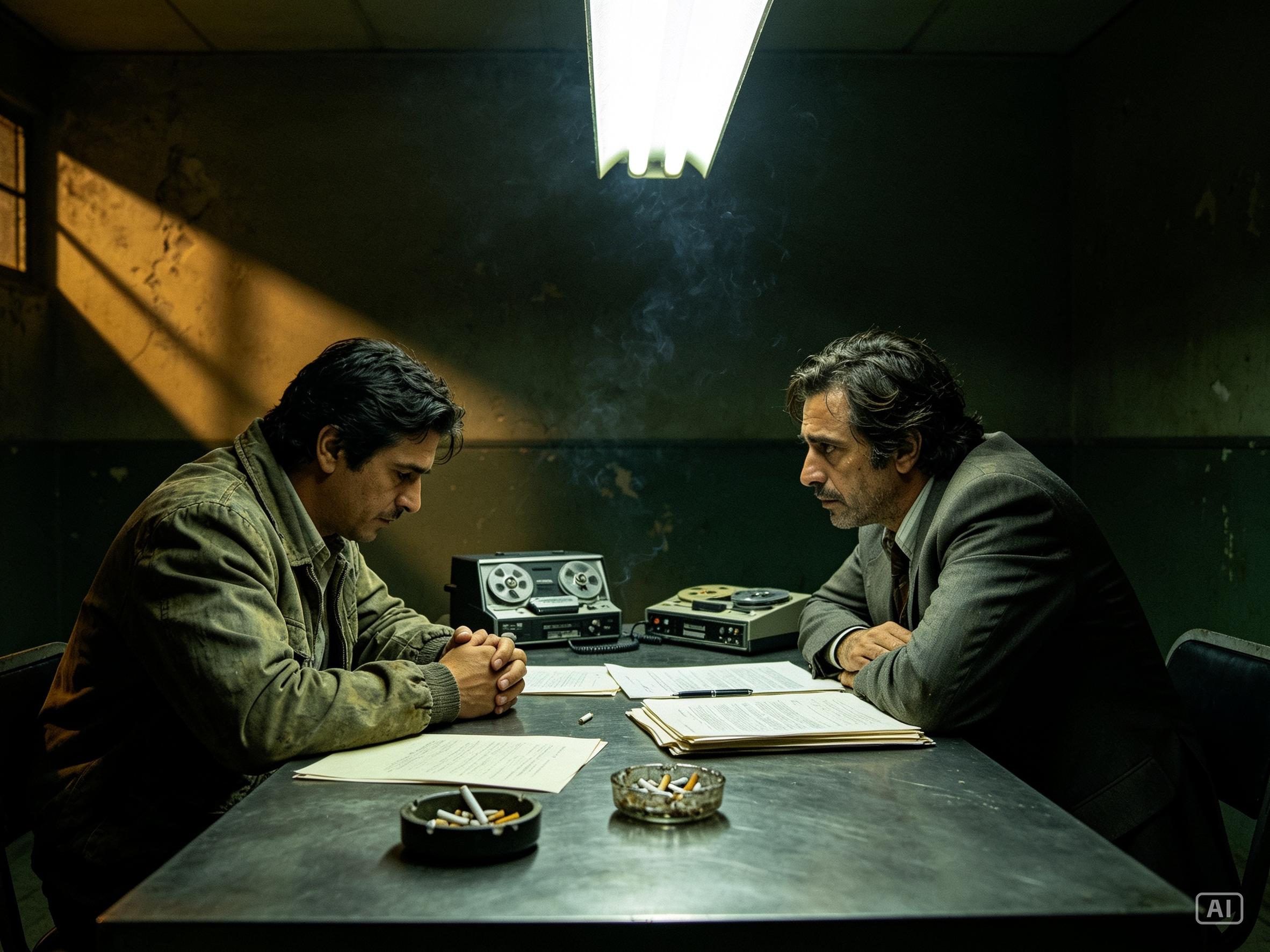
1990, Bogotá government building, during a high profile investigation. A dim office with fluorescent lighting and heavy shadows. A suspect seated at a metal table. A tired agent leaning forward. Papers, ashtrays, analog recorders. Cold tones mixed with warm decay. Tight composition emphasizing pressure and moral ambiguity.
10. Night Operation
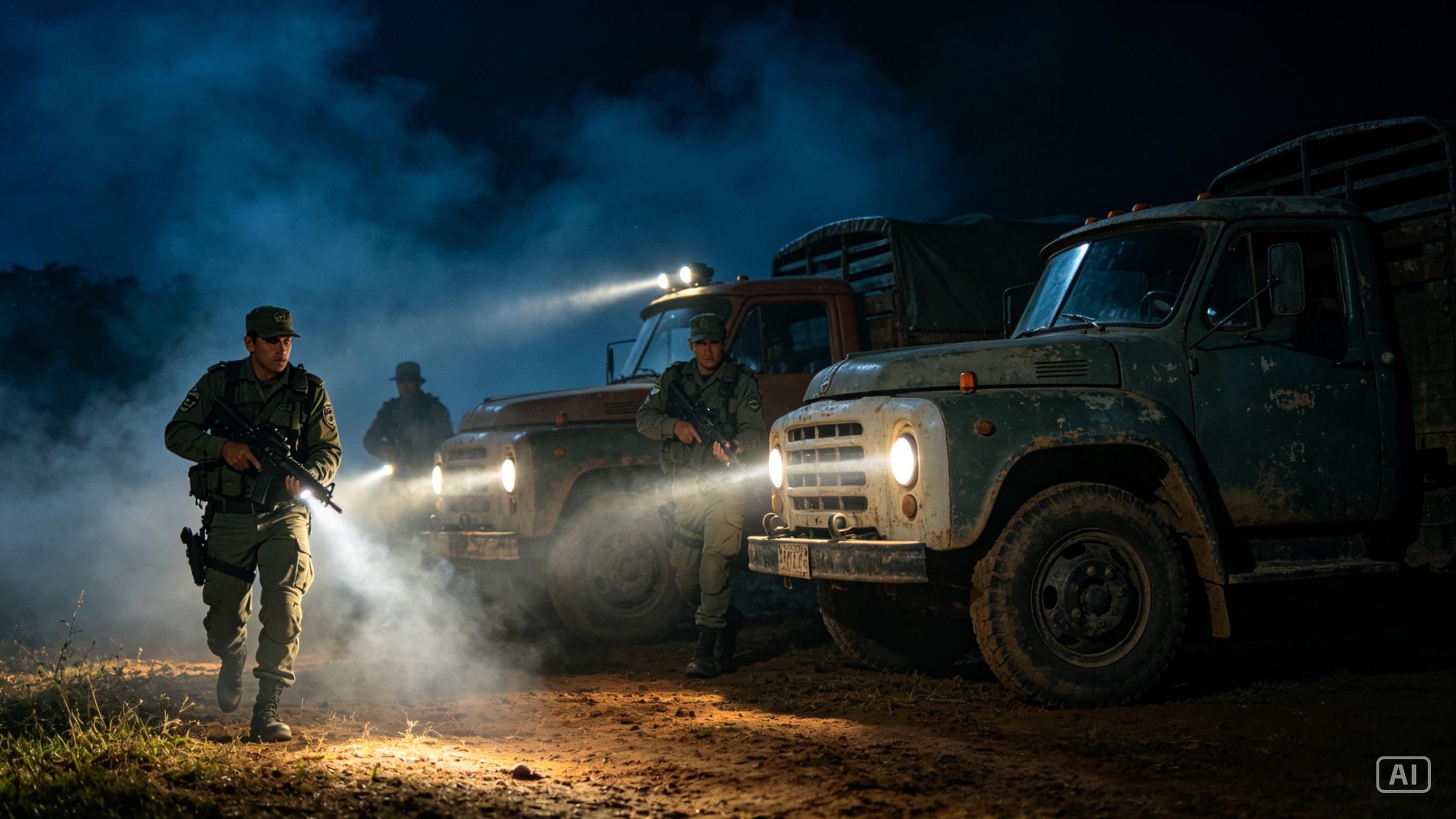
1987, rural Antioquia, during a coordinated nighttime raid. Flashlights cutting through darkness. Old trucks parked nearby. Agents in worn tactical gear. Mist rising from the ground. Deep blues and earth tones dominating the palette. Low camera angle close to the action, creating urgency without stylization.
PLATA O PLOMO ?
Try the Cinematic Prompt Builder
Create your own cinematic prompts with our free builder.
Try the Tool