
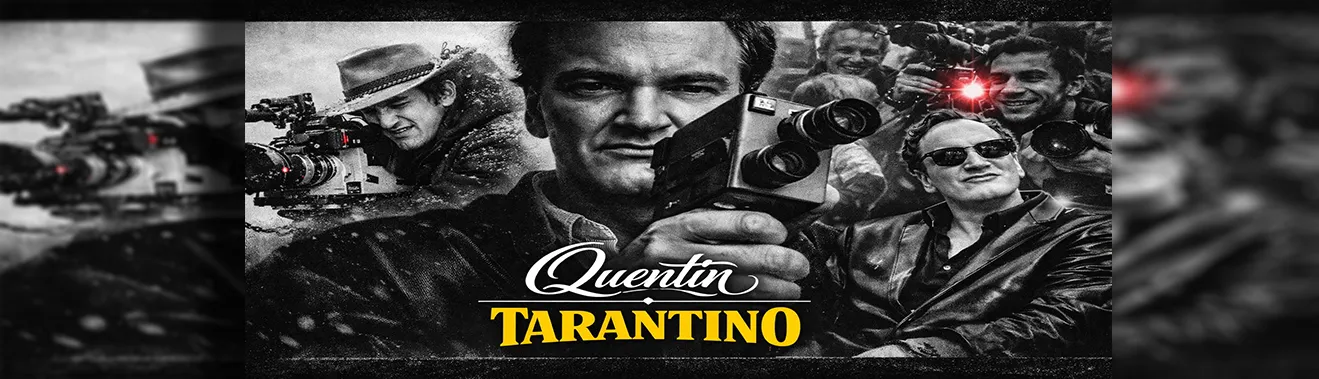
A technical, cinematic analysis for creators, filmmakers, and AI prompt designers
Quentin Tarantino's modern films have developed a visual identity that is instantly recognizable: warm, saturated color palettes, high-contrast lighting, film-grain texture, and a retro-modern atmosphere that blends nostalgia with contemporary precision. This aesthetic, shaped through his long-standing collaboration with cinematographer Robert Richardson (ASC), has become a reference point for filmmakers, colorists, and digital artists seeking to recreate a cinematic look rooted in film history yet unmistakably modern.
This article examines the visual style of Tarantino's contemporary period—from Kill Bill (2003) to Once Upon a Time in Hollywood (2019)—using verified technical sources and cinematographic analysis. It is written for creators who want to understand how this aesthetic works and how to reproduce it in modern workflows, including AI-based image generation using Director Style Presets in a Cinematic Prompt Builder.
1. Warm, saturated color palettes and earthy tones
Modern Tarantino films are defined by vibrant, high-contrast color palettes dominated by warm hues—golden yellows, deep reds, dusty oranges—combined with earthy tones that evoke the American West and 1970s cinema.
This palette is especially prominent in:
- Django Unchained (2012)
- Once Upon a Time in Hollywood (2019)
- Selected sequences in Kill Bill and Inglourious Basterds
Analyses published by IndieWire and American Cinematographer highlight how these warm palettes create a nostalgic yet contemporary atmosphere, reinforcing emotional tension while grounding the viewer in a stylized world.
2. Film texture: fine grain, organic depth, and 70mm influence
Tarantino's modern visual identity is inseparable from his commitment to shooting on film, often using 35mm and occasionally 70mm formats. With Robert Richardson, he favors:
- Fine but visible film grain
- Organic depth and micro-texture
- High dynamic range in highlights
- Kodak emulsions with rich color response
The most extreme example is The Hateful Eight (2015), shot in Ultra Panavision 70, which produces exceptional detail and depth—even though the film's cold, snowy setting differs from the warm palette of his other works.
3. Low-angled natural lighting and long dramatic shadows
Tarantino's lighting approach in his modern films draws heavily from the visual language of Westerns. Key characteristics include:
- Low-angled sunlight
- Long, dramatic shadows
- Hard natural light
- Directional lighting that emphasizes tension
The opening of Inglourious Basterds is frequently cited by the British Film Institute as a masterclass in tension built through lighting and composition.
4. Centered compositions, symmetry, and contemplative wide shots
Modern Tarantino favors:
- Centered, symmetrical compositions
- Wide, contemplative establishing shots
- Slow zooms and progressive focus shifts
- Static frames that build tension
These techniques echo 1970s genre cinema and are used extensively in Kill Bill, Django Unchained, and Once Upon a Time in Hollywood. They create a visual rhythm that feels theatrical, deliberate, and unmistakably Tarantino.
5. Retro-modern production design: aged materials and textured environments
Tarantino's modern films rely on production design that blends retro aesthetics with contemporary precision:
- Weathered signage
- Aged materials
- Golden reflections
- Analog objects and tactile surfaces
This is particularly evident in Once Upon a Time in Hollywood, where the recreation of 1969 Los Angeles is built on layers of patina, texture, and period-accurate detail.
6. Recreating the modern Tarantino look in AI workflows
For artists using AI image generation, reproducing Tarantino's contemporary aesthetic requires combining:
- Warm, saturated color palettes
- High contrast
- Film grain and organic texture
- Low-angled lighting
- Centered compositions
- Retro-modern environments
This is precisely what the Modern Tarantino preset in a Cinematic Prompt Builder is designed to capture:
By using Director Style Presets, creators can generate prompts that are not only visually coherent but also grounded in real cinematographic techniques.
7. Why Director Style Presets matter for cinematic AI generation
As AI image generation becomes more sophisticated, the demand for cinematic accuracy increases. Director Style Presets offer:
- Consistent visual identity
- Technically informed prompt structures
- Faster creative workflows
- A bridge between film language and AI generation
For users seeking to produce images inspired by real cinematography, these presets provide a reliable foundation rooted in film theory and visual analysis.
Conclusion
The modern visual style of Quentin Tarantino is defined by warm, saturated palettes, film-grain texture, low-angled lighting, centered compositions, and retro-modern production design. These elements, documented through professional cinematography sources, form a coherent aesthetic that continues to influence filmmakers and digital artists.
For creators working with AI, understanding these visual principles is essential. Tools such as Director Style Presets in a Cinematic Prompt Builder make it possible to explore and reproduce this aesthetic with precision, offering a powerful way to integrate cinematic language into modern creative workflows.
Explore the Modern Tarantino Preset
Use our cinematic prompt generator with Director Style Presets to create Tarantino-inspired AI images.
Try the ToolContinue Reading
- Camera Angles — How perspective shapes the story
- Lighting Techniques — How light shapes mood, depth, and visual identity