
Introduction
Shot types are the grammar of cinema. They determine what the viewer sees, how close they feel to the subject, and how much information they’re given at any moment. You can change the lighting, the angle, even the performance, but the shot type is what defines the viewer’s relationship to the scene.
Understanding shot types isn’t about memorizing a list. It’s about recognizing how each shot shapes emotion, pacing, and narrative clarity. Once you grasp that, you stop capturing images and start constructing meaning.
Why Shot Types Matter
Every shot type carries an intention. A close-up pulls the viewer into a character’s inner world. A wide shot lets the environment speak. A medium shot balances emotion and context. These choices guide the audience’s attention and influence how they interpret the story.
Shot types are not arbitrary. They’re deliberate decisions that determine how the viewer experiences the moment.
The Essential Shot Types and What They Communicate
Extreme Wide Shot
This shot places the subject deep within the environment, often appearing small in the frame. It’s used to establish geography, scale, or emotional distance. When a character is dwarfed by the landscape, the viewer immediately understands their vulnerability or isolation.
Wide Shot
A wide shot shows the full body and enough of the surroundings to understand the setting. It’s the backbone of scene geography. Directors use it to introduce a location, define movement, or let the environment play an active role in the storytelling.
Full Shot
The subject is framed from head to toe. This shot is useful when body language matters as much as facial expression. It’s often used in character introductions or moments where posture and movement reveal personality.
Medium Full Shot
Also known as the “cowboy shot,” it frames the subject roughly from mid-thigh up. Originally designed to show holstered weapons in Westerns, it remains popular because it balances presence and context.
Medium Shot
Framed from the waist up, the medium shot is one of the most versatile in filmmaking. It captures emotion while still giving the viewer a sense of space. It’s ideal for dialogue, character interactions, and scenes where subtle gestures matter.
Medium Close-Up
This shot tightens the frame to the chest and shoulders. It’s intimate without being intrusive. Directors use it when they want to highlight emotion but still maintain a sense of breathing room around the character.
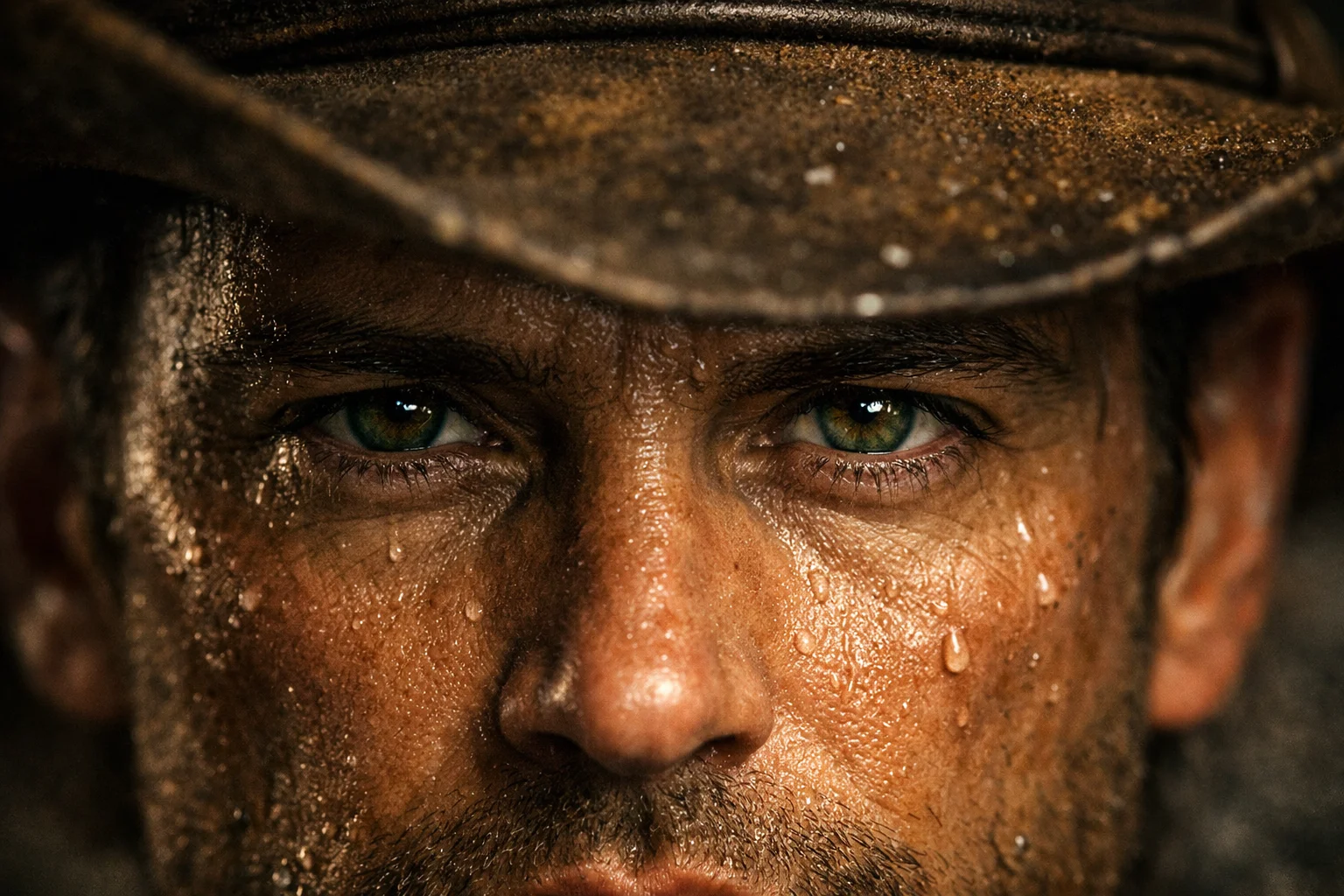
Close-Up
A close-up focuses on the face, drawing attention to expression and micro-emotion. It’s one of the most powerful tools in cinema because it collapses the distance between viewer and character. A well-timed close-up can shift the entire emotional direction of a scene.
Extreme Close-Up
This shot isolates a specific detail—eyes, lips, hands, an object. It magnifies significance and creates intensity. Extreme close-ups are used sparingly because they demand attention and carry strong emotional weight.
Two-Shot
A shot that frames two characters together. It’s commonly used in conversations or moments where the relationship between characters is the focus. The spacing, posture, and balance between the two subjects often reveal more than dialogue.
Three-Shot
Similar to a two-shot but with three characters. It’s useful for group dynamics, especially when the scene depends on how characters relate to one another within the frame.
Over-the-Shoulder Shot
A classic of dialogue scenes. The camera is positioned behind one character, framing the other through the shoulder line. It places the viewer inside the exchange and reinforces perspective without breaking spatial continuity.
Insert Shot
A close, isolated shot of an object or detail that carries narrative importance—a key turning in a lock, a phone vibrating, a hand gripping a weapon. Insert shots guide attention and clarify story beats without relying on dialogue.
Cutaway
A shot that briefly diverts from the main action to show something related—a reaction, an object, a detail in the environment. Cutaways are essential for pacing, transitions, and emotional emphasis.
Point-of-View Shot
A POV shot shows what a character sees. It’s not a camera angle but a shot type, because it defines who the viewer is aligned with rather than where the camera is placed. POV shots create immersion and subjectivity, making the audience experience the moment through the character’s eyes.
How Filmmakers Choose the Right Shot Type
Shot selection is always intentional. Directors think in terms of emotional distance: How close should the viewer feel to the character. How much information should be revealed. Is the moment about the environment, the relationship, or the internal state. Does the scene need intimacy, clarity, or scale.
Shot types shape the rhythm of a scene. A sequence of wide shots feels observational. A run of close-ups feels intense and personal. Mixing them creates contrast and momentum.
Final Thoughts
Shot types are the foundation of visual storytelling. They determine how the viewer enters the scene, how close they feel to the characters, and how the narrative unfolds moment by moment. A well-chosen shot can elevate emotion, clarify intention, or shift the entire meaning of a scene.
Mastering shot types means mastering the language of cinema itself.
Explore Shot Types in Your Cinematic Prompts
Use our cinematic prompt builder to experiment with shot types and composition in your AI image generation.
Try the ToolContinue Reading
- Lens Types — How focal length shapes perspective, emotion, and visual identity
- Vikings Cinematic Prompts — Inspired by the TV series